


Quick Links:
For the purposes of this guidance, “university campus” and “university property” refer to all areas within KAUST.
KAUST supports the safe use of micromobility devices (MMDs), including e-scooters, as a convenient and sustainable transport option. When used responsibly, they improve mobility and reduce reliance on cars and buses. This guidance outlines safe use requirements in line with the KAUST Road Safety Code. All riders share responsibility for maintaining a safe environment for pedestrians, cyclists, drivers, and other MMD users. It applies to MMDs used on KAUST roads and pathways, excluding internal combustion engine devices, wheelchairs, and other assistive mobility aids.
The KAUST Road Safety Code is a procedure developed in support of the Traffic and Vehicle Safety Policy. It documents the road safety requirements applicable across the KAUST campus and serves as a reference resource for the community, HSE, and Security.
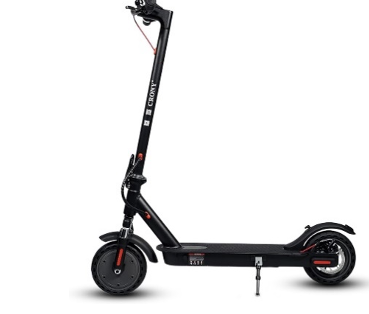
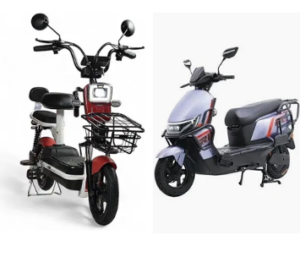
For the purposes of this guidance, micromobility devices include alternative personal transportation modes such as electric scooters (e-scooters), electric bicycles (e-bikes).
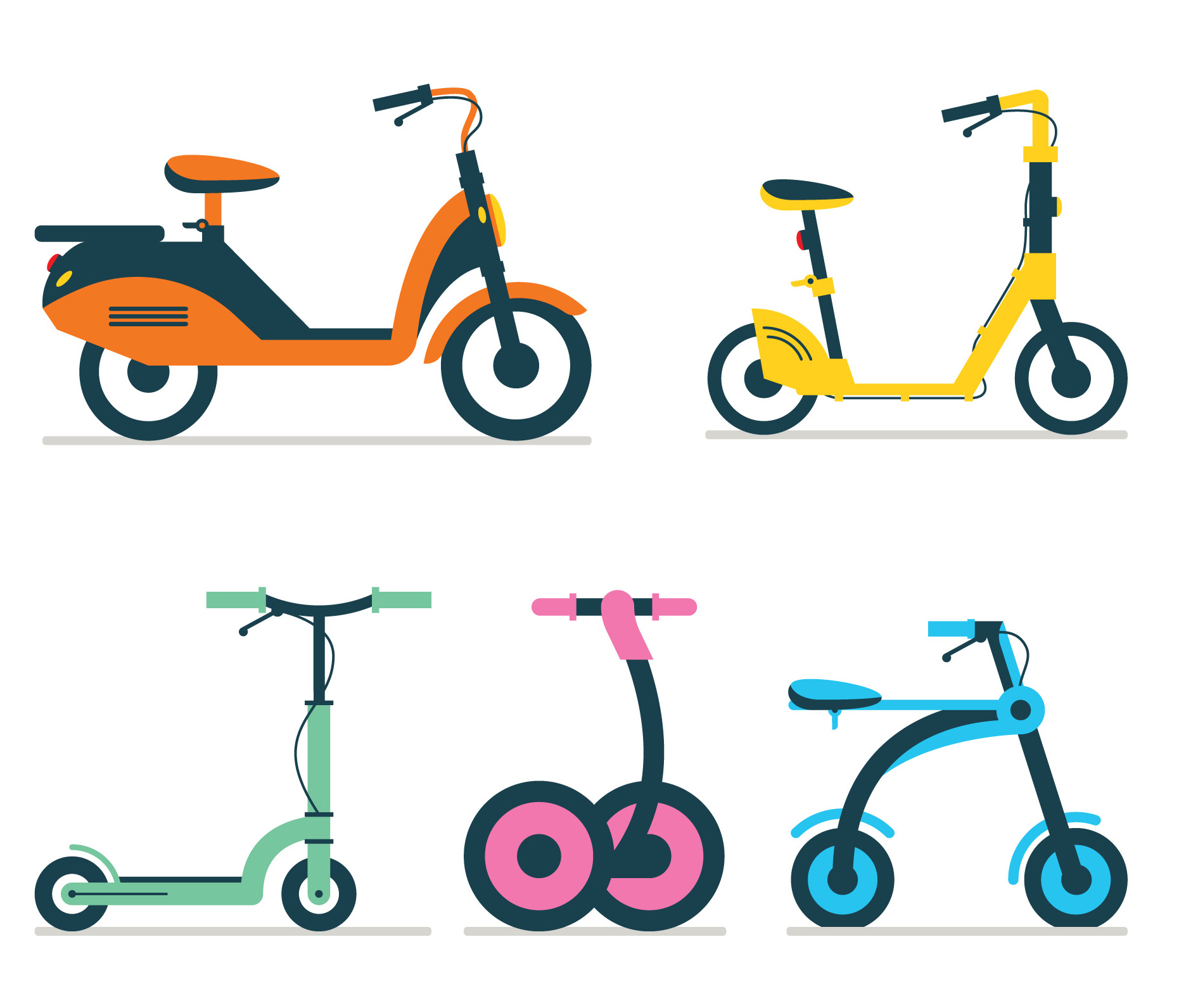
KAUST distinguishes between basic commuter e-scooters and higher-powered models. Basic commuter scooters are treated similarly to bicycles under the KAUST Road Safety Code, while higher-powered devices require additional controls. These requirements ensure that higher-powered scooters, which can reach higher speeds, are subject to additional safety controls. The table below shows the difference between pre-existing e-scooter types and new models with the above requirements (Based on KAUST Road Safety Code – Section 3.3):
| Basic Commuter E-Scooter Type | Other Models | |
|
|
|
|
| Motor Power | <350 W | Any scooter ≥ 350W |
| Battery Voltage | <36 V | ≥36V |
| Visible label showing motor power | Not required | Required |
| Speedometer | Not required | Required |
| Brakes | Required | Required |
| Passengers allowed
(riding in a dedicated pillion seat) |
Not allowed | 1 |
| A valid driving license
(Meeting the requirements of KSA) |
Not required | Required |
| Valid insurance | Not required | Not Required |
| KAUST registration plate | Not required | Required |
| Age restriction* | No* | Yes |
| Indicators | Preferred, not required | Required |
| White light at the front | Required | Required |
| Red light at the back | Required | Required |
| Approved helmet when riding | Required | Required |
Note*Parents are responsible for deciding when their child is ready to ride an e-scooter and for ensuring that safety requirements are met.
All vehicle plate requests should be submitted via https://vms.kaust.edu.sa.
New request: Ensure that all request attachments are correct, valid, and complete.
Cancellation or transfer: Anyone wishing to cancel or transfer ownership of a vehicle plate must submit a request through https://vms.kaust.edu.sa.
Lost & found plate: Cases of lost and found plates must be reported to Security through the online reporting channel.
Riders under the age of 16 (Hijri) must complete the KAUST HSE online road safety training course before riding an e-scooter. However, parents are responsible for determining when their child is ready to safely operate an e-scooter and are accountable for their safe riding of e-scooters.
For training access, follow these steps within the KAUST Central App:
1. Open the KAUST Central App.
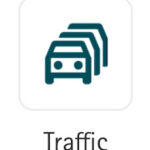
2. Select Traffic.
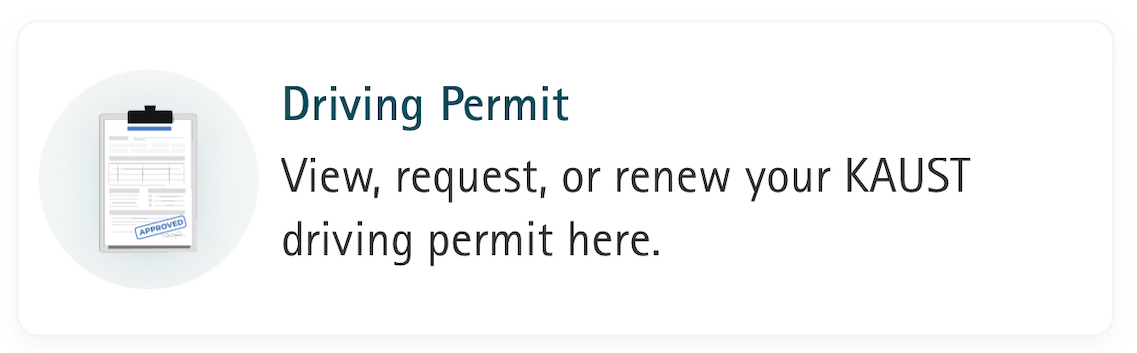
3. Tap on Driving Permit, then select Request Driving Permit.
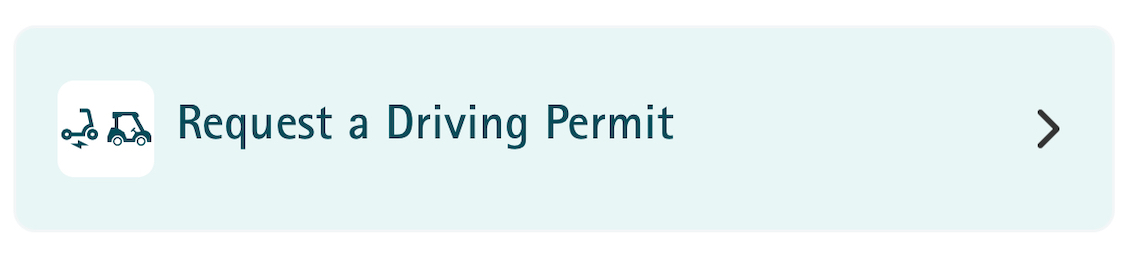
4. Request a driving permit
5. Choose E-scooter from the list.

6. Complete the Formstack application and click Submit.
Once you have submitted your form, the HSE team will receive your application and enroll you in the online training course.
After you successfully complete the training, an e-scooter icon will automatically appear in the top right corner of your electronic KAUST ID within the app. This icon serves as your official digital permit.
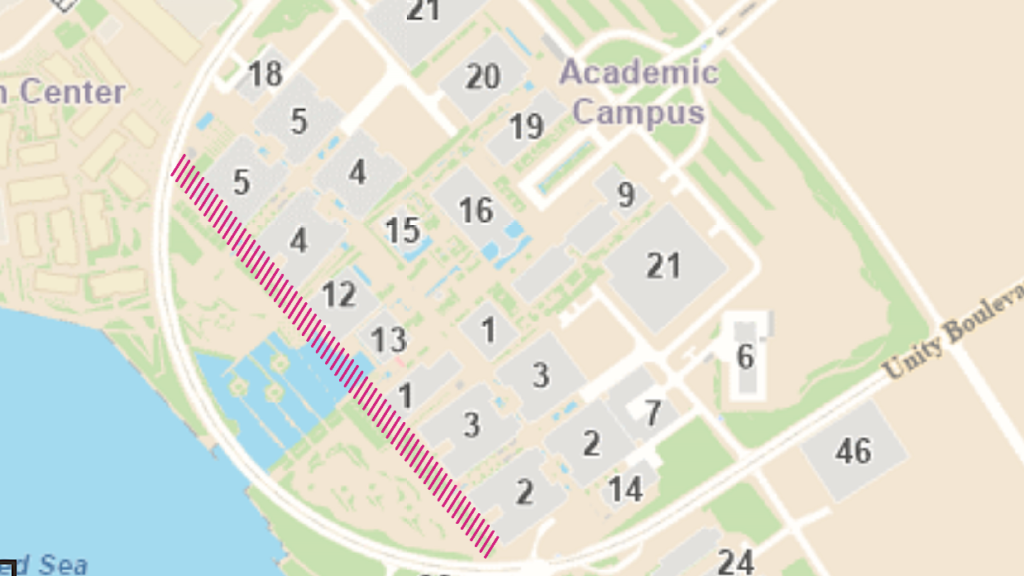
To prevent close contact with pedestrians, electric-powered micromobility on Campus may only be ridden on the designated pathway behind Buildings 2 to 5. This route allows for efficient travel with access to academic buildings while keeping the main pedestrian areas safe. Please refer to the map below indicating the authorized pathway (////).
If you are in other areas of the Campus, electric devices must be switched to human-powered mode or pushed manually.
Lithium-ion batteries require careful handling to reduce fire risk. To help protect people and property, micromobility devices must not be stored or charged inside KAUST buildings where people work, study, or attend classes or lectures, nor at exterior outlets or in communal areas such as hallways, lounges, or stairwells.
To charge and store batteries safely:
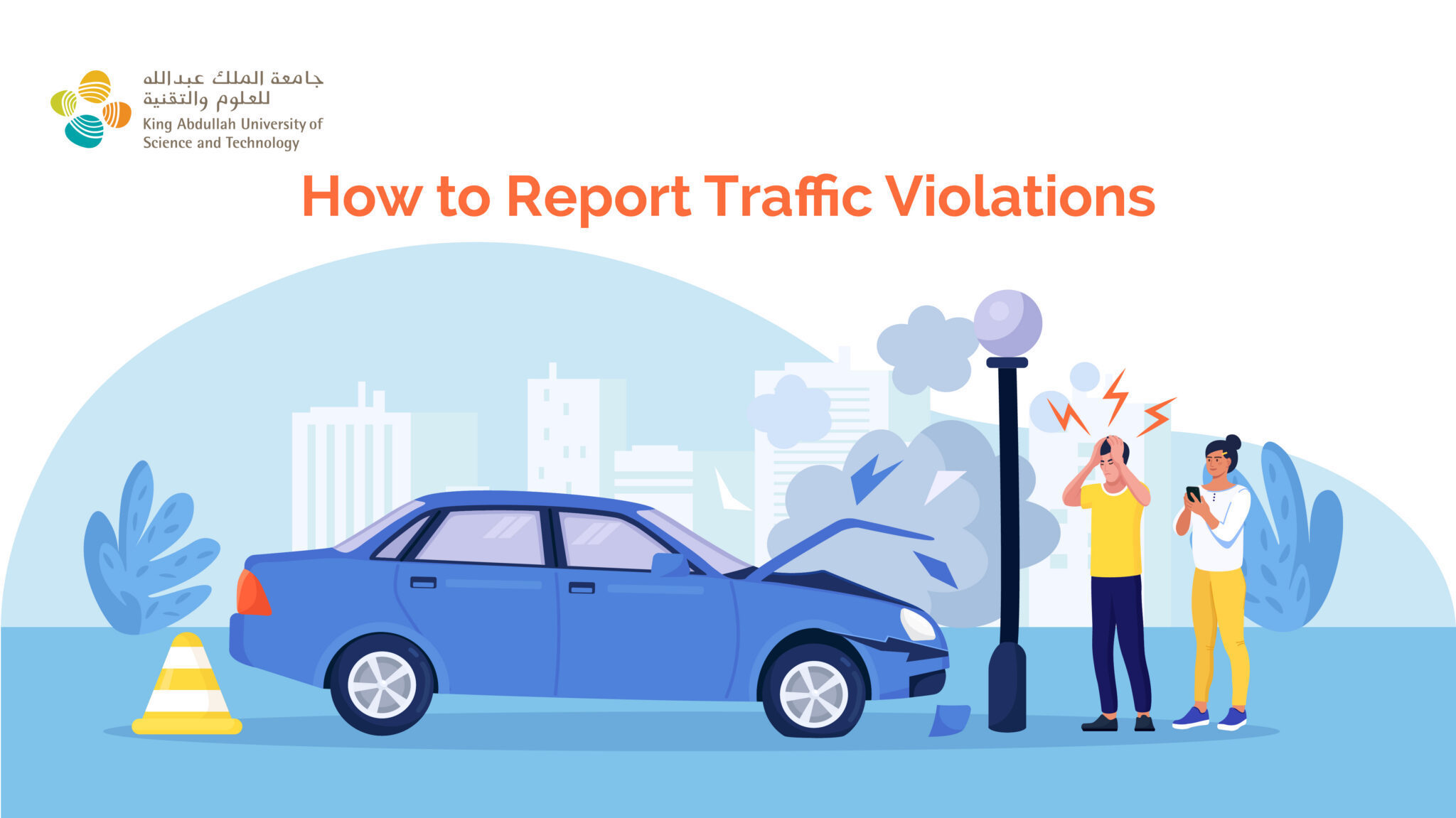
At KAUST, anyone in the community can report traffic violations.
Providing accurate and complete information when submitting a report enables Security to follow up and investigate effectively. Missing or inaccurate information may delay or limit the investigation.