



Quick Links:

 Home
/Safety/Community Safety/First Aid/ KAUST First Aid Training Program Frequently Asked Questions (FAQ)
Home
/Safety/Community Safety/First Aid/ KAUST First Aid Training Program Frequently Asked Questions (FAQ) Frequently Asked Questions (FAQ)


Call KAUST Emergency Services (available 24/7) immediately on 012 808 0911. First aid supports but does not replace professional emergency response.
No. Departments determine training needs through a first aid needs assessment based on:
• Workforce size and shift patterns.
• Workplace hazards and activities.
• Work locations and access to emergency services.

Each department assesses its own needs and identifies who requires training. The assessment should consider:
• Staffing levels and the level of risk.
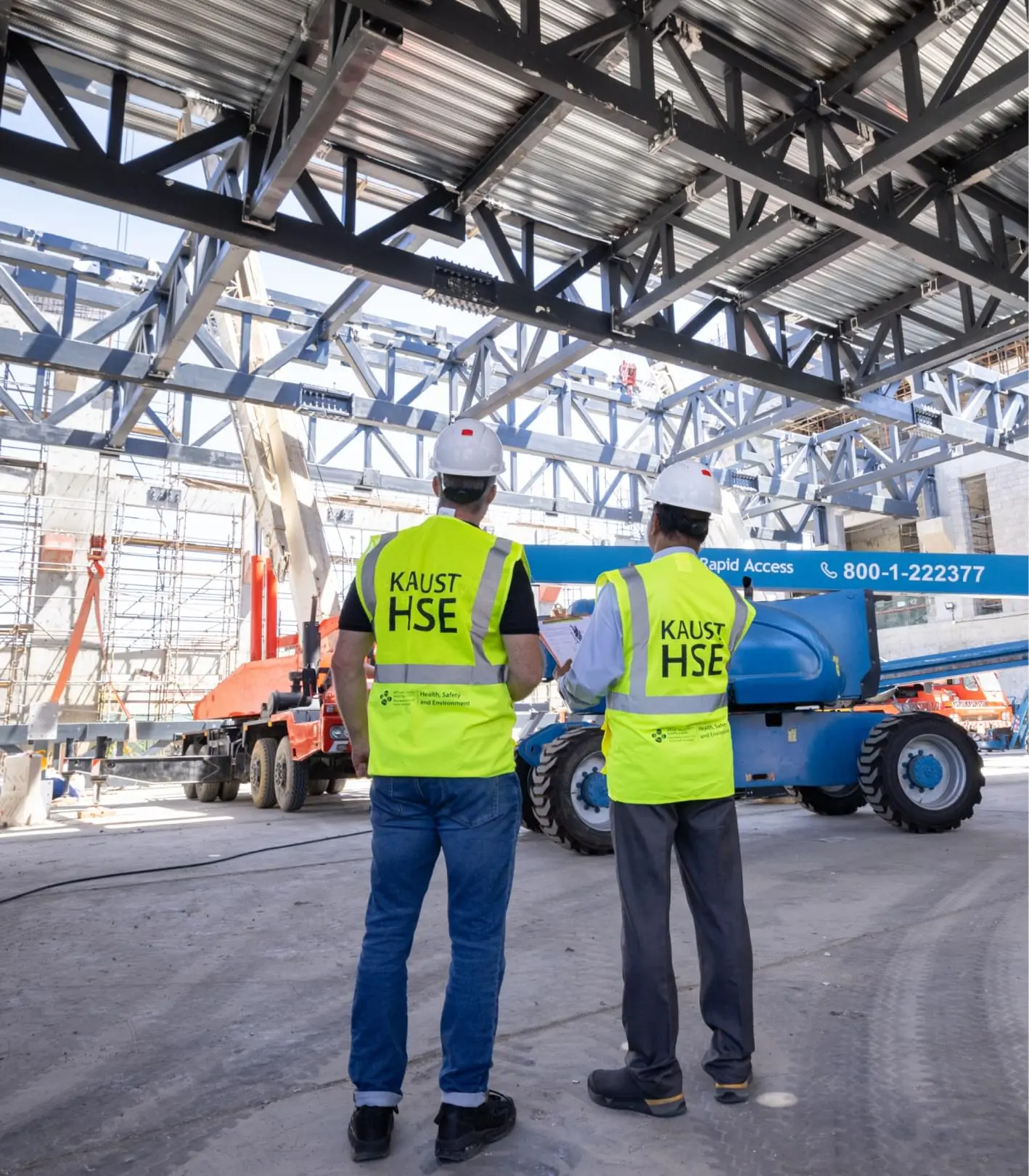
• Laboratory, workshop, fieldwork, marine, and operational hazards.
• Remote work, shifts, contractor or public interaction, and access to emergency response.
• Relevant incident trends.
HSE provides guidance, recommendations, and practical training support.
Field researchers should complete training when required by the Field Safety Plan.
Not automatically; laboratories should assess their specific risks, including hazardous chemicals, biological agents, physical hazards, occupancy levels, and operational complexity—to determine whether designated first aiders are required.
The program has two risk-based components:
• Theory training: Complete online training through the L&D platform here.
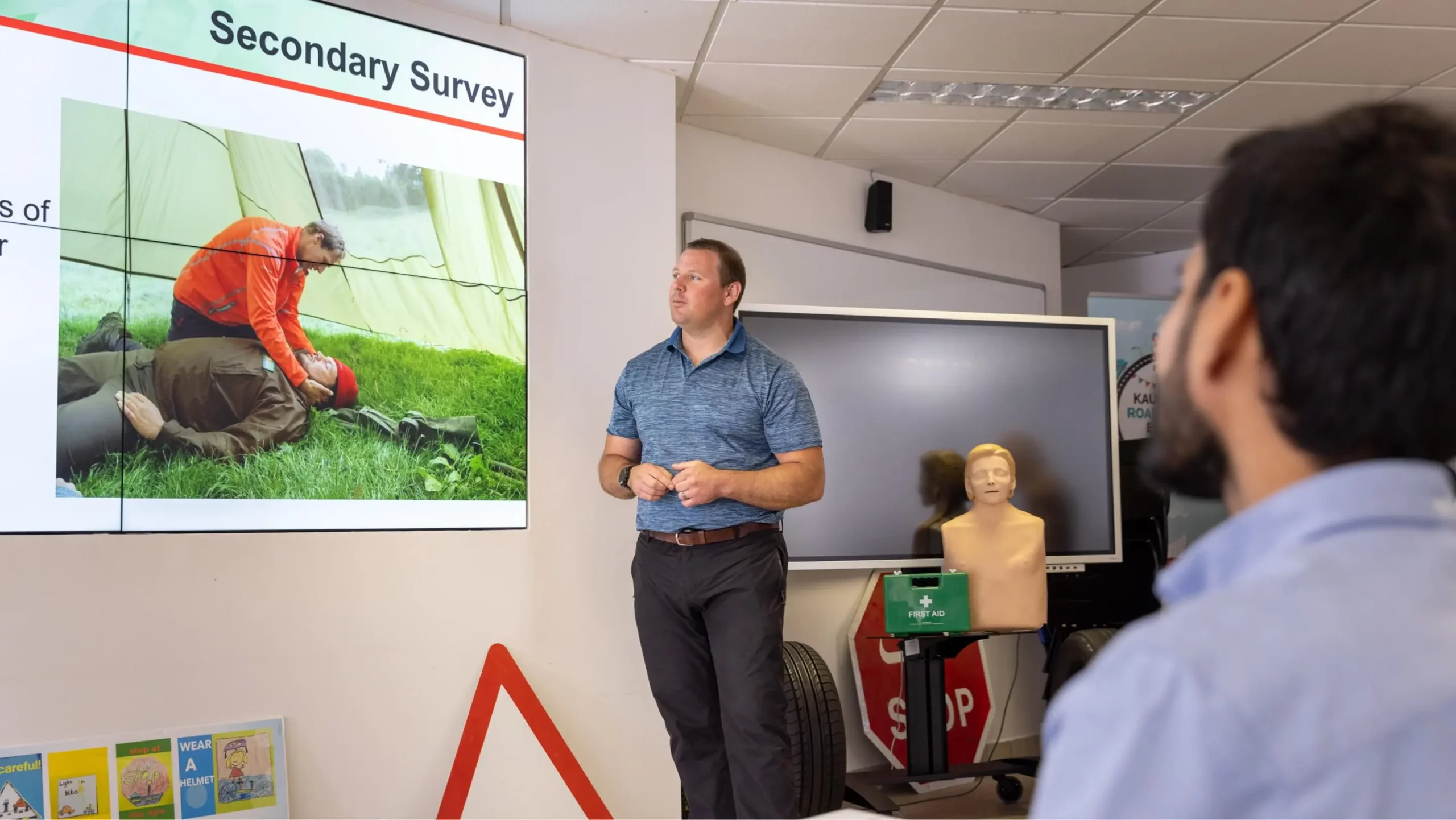
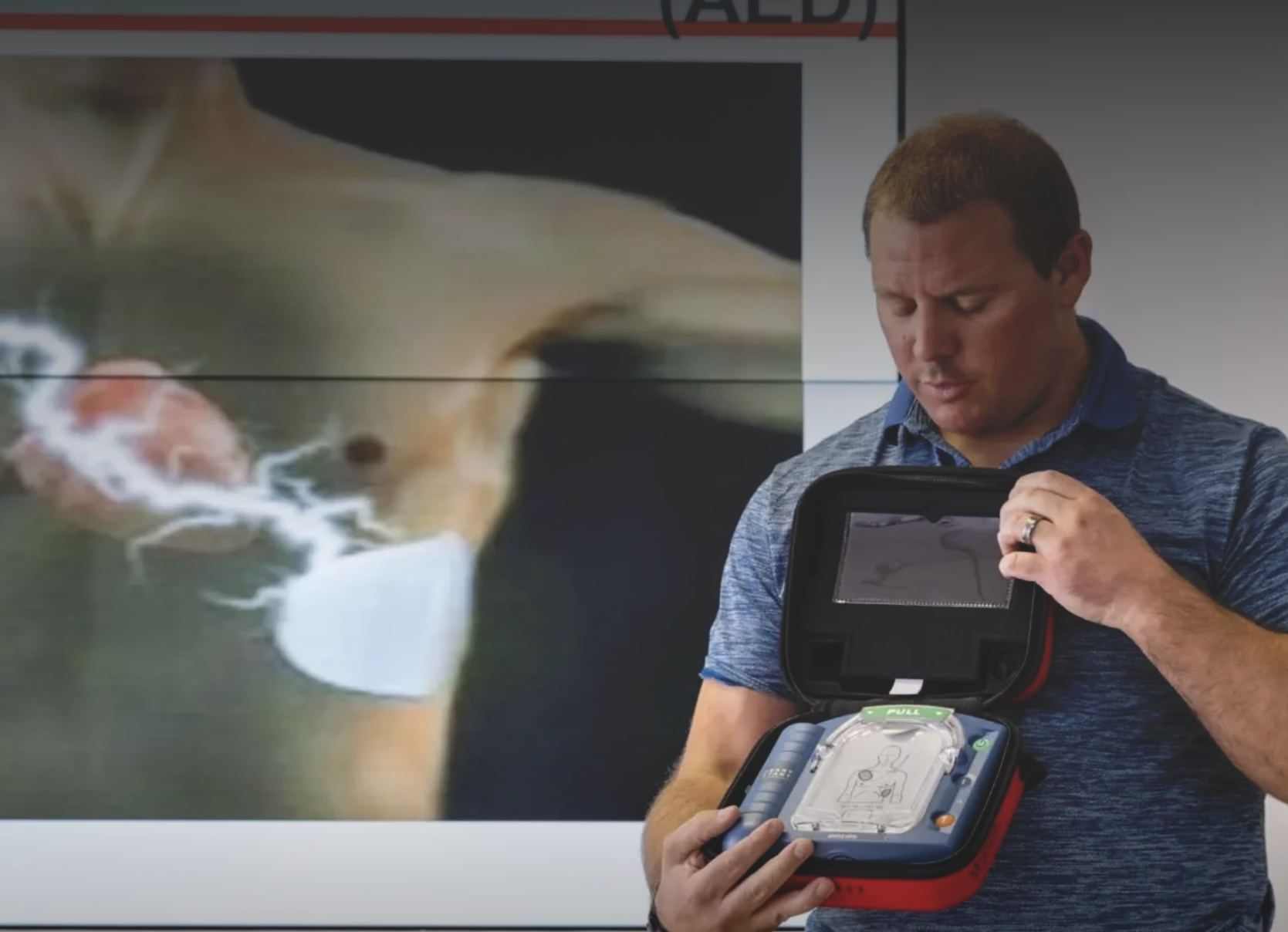
• Practical skills training: In addition to completing the theory training, hands-on training, including how to use an AED and perform CPR, is recommended for:
• People working in laboratories, workshops, marine operations, or operational environments.
• Individuals identified through a departmental risk assessment or an approved Field Safety Plan.
Participants who complete both components receive a KAUST First Aid Level 1 Certificate of Completion. Participants who complete only the online theory training will be registered as complete with Learning & Development L&D.
• Online theory provides flexible, accessible learning.
• It must be completed through KAUST Learning & Development L&D.
A KAUST First Aider is an authorized individual designated through a departmental risk assessment and/or Field Safety Plan and certified by completing both the theory and practical First Aid Training.
Yes. Qualified KAUST trainers offers practical skills training sessions each month. Priority is given to:
• Field researchers.
• Personnel working in laboratories, workshops, marine operations, or operational environments.
• Individuals identified through departmental risk assessments or an approved Field Safety Plan.
All applicants will receive training. Priority will be given to:
• Higher-risk personnel and field researchers.
• Personnel who require practical competency under an approved safety plan.
The certificate is valid for two years after completion of the required theory and practical training.
Contact HSE at hse@kaust.edu.sa for questions about requirements, providers, practical training, or enrollment.